Consumer product firms face hard pressure to innovate. Tastes change fast. Product cycles keep getting shorter. Rivals are global and data-driven. As a result, internal R&D alone no longer keeps pace. So firms reach outside for help. They use a range of innovation research services for consumer products, which spot openings, lower risk, and speed up new products. But the field is crowded and split. This guide maps it, stage by stage, so you can see what fits where.
Why Consumer Product Companies Add Innovation Research Services
No single team can see the whole market. Useful knowledge now sits outside your walls as much as inside. Therefore, firms draw on outside research to fill the gaps. That gap is what innovation research services for consumer products are built to fill. This is the heart of open innovation, where ideas flow across company lines. Done well, it widens your options and shortens the path to market.
The Core Innovation Research Services for Consumer Products
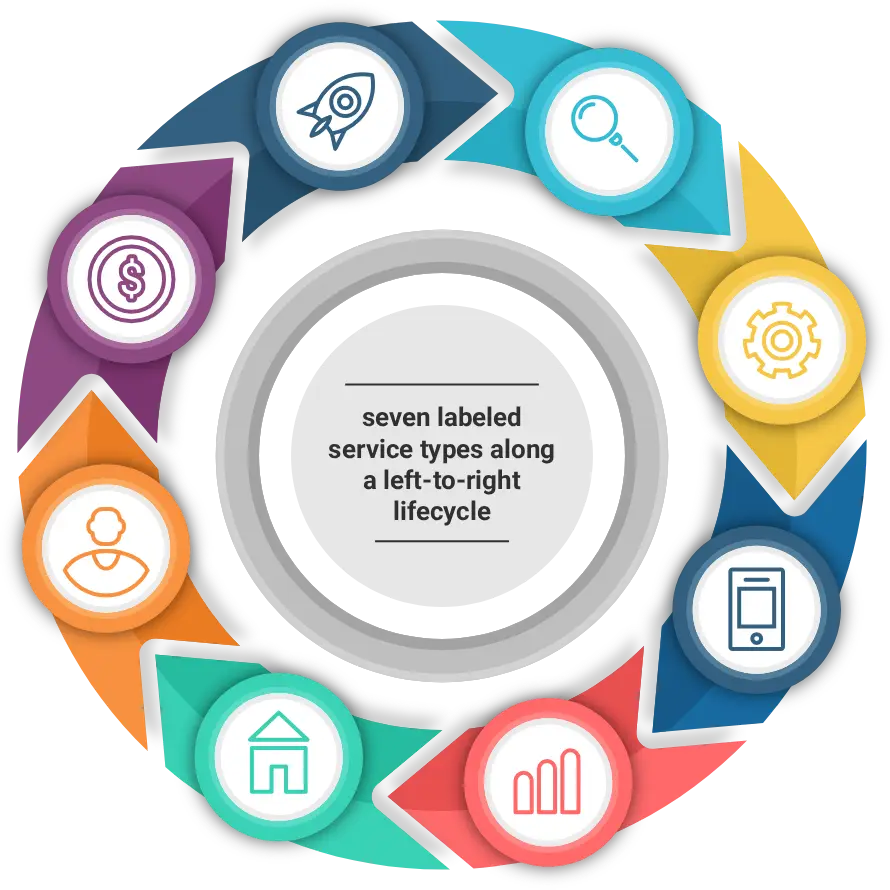
Innovation research is not one activity. Rather, it is a portfolio of innovation research services for consumer products that map to the innovation life cycle. Each one answers a different question, at a different stage. Here are the seven types firms use most.
Consumer Research, to Understand the Why
First comes the buyer. Consumer research shows how people think, feel, and act. For example, it uses interviews, focus groups, surveys, and concept tests. The goal is to learn the job your customer is trying to get done. As a result, you know which problems matter and what drives a purchase. For deeper proof work, see our guide to the best research service for product-market fit.
Market Research and Competitive Intelligence
Next, widen the lens past the single buyer. Market research sizes the prize and reads the trends that shape demand. It also checks rivals and tests price. As a result, you learn where growth is, who threatens it, and how to position. In short, it turns a messy field into a clear map.
Product and Concept Testing
Before launch, you must prove the product itself. So firms run product tests, sensory checks, packaging tests, and claims checks. These answer plain questions. Will buyers choose this? Does it meet what they expect? This step lowers the risk of a costly miss at launch.
Idea Generation and Innovation Consulting
At the front end, firms need fresh concepts. Ideation services help here. In addition, they run innovation workshops, design-thinking sessions, and idea management platforms. Good ideation casts a wide net first, then narrows fast. In this way, raw ideas turn into options worth backing.
Technology Scouting and Landscape Research
Sometimes the best answer sits outside your category. Technology scouting finds new methods, emerging tech, and possible partners. It also maps startups and weighs outside IP. Ezassi technology discovery software searches patents, papers, and more to widen the field. As a result, you can license or partner instead of building from scratch.
Trend and Foresight Research
To stay ahead, firms look over the horizon. Specifically, foresight work scans trends, tracks new behavior, and plans for several futures. The aim is fewer surprises and better timing. This helps you see demand coming rather than react to it. Agentic Innovation Monitoring keeps that watch running all the time, not just once a year.
AI-Driven Insights and Analytics
Newer services use AI to add speed and scale. For instance, AI can predict demand, read sentiment, and group buyers on its own. It also flags patterns a person might miss in a huge data set. Still, people stay in charge. This is the AI + Human in the Loop model, where machines bring scale and experts bring judgment.
External Innovation Ecosystems
Beyond formal services, firms tap outside networks. In particular, these include startups, universities, suppliers, and research labs. Such sources offer new tech, fresh business models, and early signs of change. According to research on open innovation, the biggest barriers are often inside the firm, not outside it. So the real skill is bringing outside knowledge in and acting on it. The payoff is reach you could never build alone. Ezassi supports this with primary-source depth through anonymous expert interviews and AI technology scouting solutions.
Where the Stack Breaks Down
Even with all these services, many firms stall. The work splits across teams, so insights never join up. Cycles run slow, which delays the next move. Insight piles up but rarely turns into a clear choice. Teams also repeat the same study and build little shared memory. The best innovation research services for consumer products fix this by working as one system, not a loose stack. We unpack these traps in our guide to why product-market fit research services fall short.
From a Pile of Services to One System
Leading firms are moving past lone studies. Instead, they build one steady engine that runs all the time. It blends many inputs, watches the market and tech, and gives output you can act on. In fact, top innovators run this as one operating system, not a pile of projects. The question shifts from what research we need next to how we keep generating and acting on insight. To go deeper, see how to turn this into a scalable innovation research system.
Choosing Innovation Research Services for Consumer Products
There is no single service that does it all. The strongest firms use a portfolio. Specifically, they blend consumer insight, market intel, product testing, scouting, and foresight. The edge does not come from owning these innovation research services for consumer products. Rather, it comes from how well you connect them and how fast they drive a choice.
Is your team running many disconnected studies? Do you struggle to turn insight into product calls? Are you reacting to trends instead of seeing them coming? If so, it may be time to rethink your approach. Book a discovery call to see how continuous, expert-led intelligence can unify your research and connect insight straight to your innovation pipeline. You can also explore Ezassi open innovation research services to pull these threads into one analyst-checked view.